
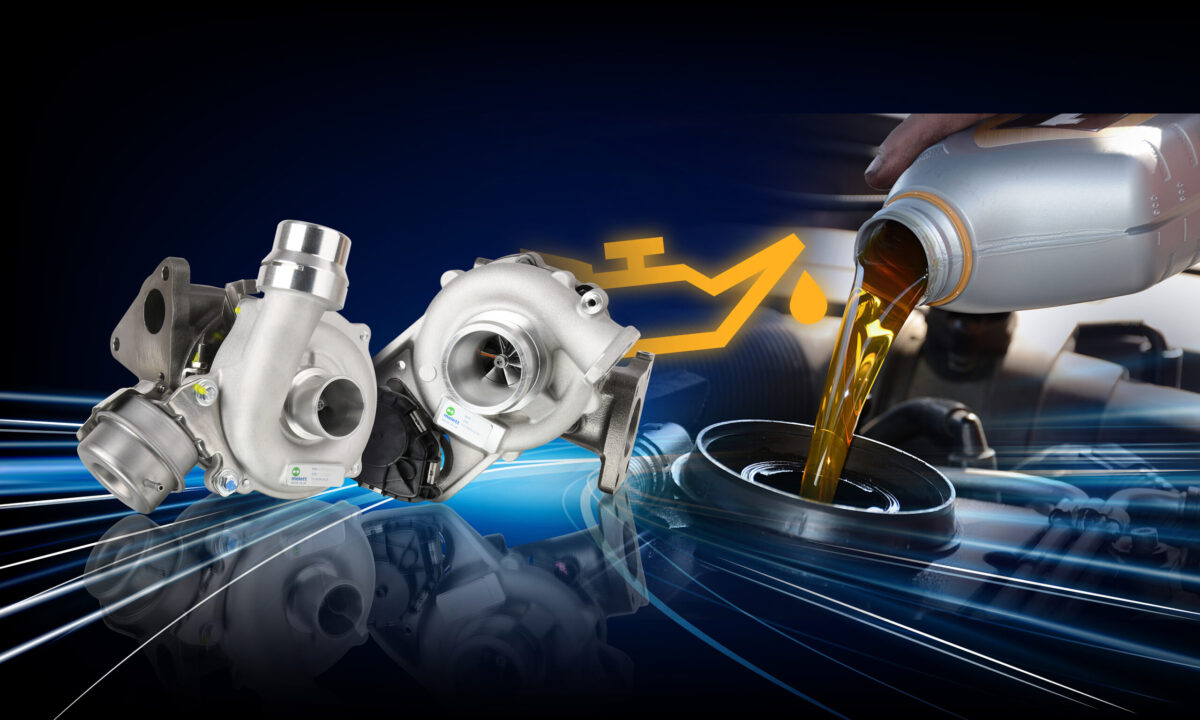
Melett informa que la lubricación insuficiente continúa como causa principal del fallo de turbo

Al tiempo que la tecnología de turbos continúa evolucionando junto con las plataformas de motores modernos, un asunto esencial continúa acumulando una cantidad significativa de fallos en talleres: lubricación insuficiente. Melett, la marca de confianza del aftermarket en turbos y componentes con ingeniería de precisión, está urgiendo a los técnicos no pasar por alto los fallos relacionados con lubricación que pueden causar daño rápido y costoso si no se identifica pronto.

Según Melett, la lubricación insuficiente es todavía una de las causas de fondo más comunes de falla del turbo. El problema es ocasionalmente confinado al propio turbo pero en su lugar es asociado a problemas de suministro de aceite en otro lugar en el sistema del motor.
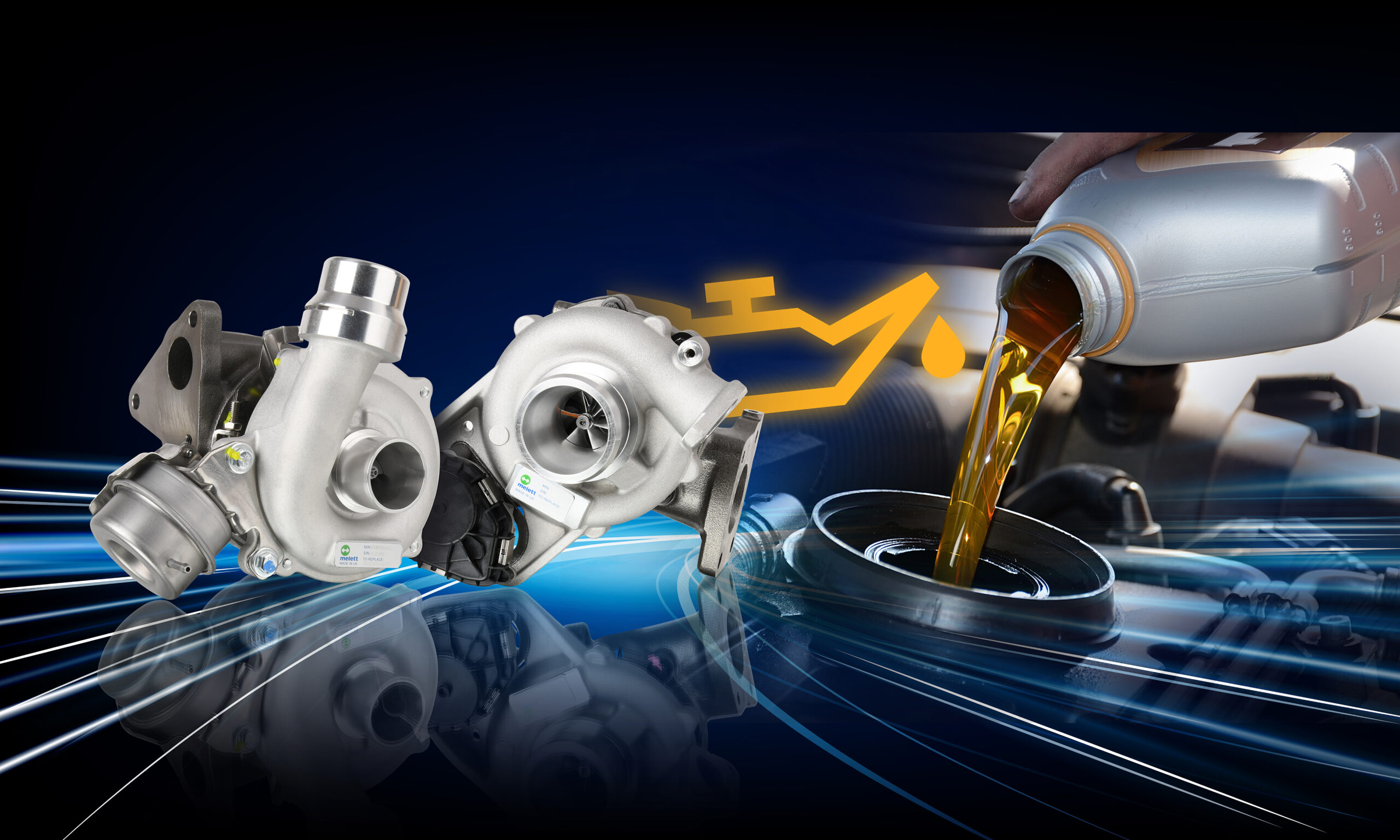
Causas de lubricación insuficiente

Tom Wright, Gerente de Producto en Melett, explica que las causas de lubricación insuficiente pueden ser desapercibidas durante el mantenimiento de rutina. Permanecen como participantes frecuentes: mal mantenimiento del filtro de aceite, bajo nivel de aceite en el cárter y uso de grados de aceite inadecuados.

Adicionalmente: juntas de entrada de aceite incorrectas o dañadas que restringen el flujo de aceite, acumulación de carbonilla en los conductos de aceite, bombas de aceite desgastadas y obstrucciones de sellantes a base de silicona en las juntas de aceite que pueden significativamente comprometer el suministro de aceite al turbocompresor.

Otro problema crítico y prevenible es purgar incorrectamente un turbo de reemplazo antes de la instalación, “Aun unos pocos segundos de operación del turbo sin aceite pueden ser suficientes para causar daño irreversible al sistema de cojinetes”, advierte Wright.

Prevenir lubricación insuficiente

Prevenir la falla relacionada con lubricación del turbo empieza garantizando sin restricciones flujo de aceite limpio a la unidad. Melett recomienda a los técnicos inspeccionar y reemplazar tuberías de aceite para remover depósitos de carbonilla o sedimentos. Es esencial usar filtros y aceite nuevos siguiendo las especificaciones del fabricante del motor, así como evitar el uso de sellantes de silicona en los componentes del sistema de aceite.

Los procedimientos operativos correctos también desempeñan un papel vital. Dar tiempo para el calentamiento apropiado del motor antes de cargas pesadas y observar periodos de enfriamiento apropiado al fin de la jornada ayudan a proteger el turbocompresor de lubricación insuficiente y la degradación del aceite relacionada con el calor, en particular en motores modernos de alta presión y tamaño reducido.

Prevenir problemas repetidos

Antes de reemplazar un turbo defectuoso los talleres deben garantizar que la causa fundamental ha sido completamente diagnosticada. Aun cuando síntomas como fugas de aceite, ruido inusual del turbo o funcionamiento reducido sugieren problemas de lubricación, los talleres no siempre pueden identificar el problema de fondo. Es aquí cuando un especialista reparador de turbos puede suministrar apoyo invaluable.

Wright explica que una vez el turbo es desmantelado por un especialista, las señales de fallo de lubricación son frecuentemente inequívocas. Desgaste excesivo de los cojinetes axiales y radiales, decoloración, rayaduras  o transferencia de material a piezas de empuje, todas indican que la lubricación ha sido comprometida.

Él subraya la importancia de determinar la causa con precisión: “La lubricación insuficiente puede destruir cojinetes en segundos. Reemplazar el turbo sin corregir el suministro de aceite casi garantiza que la misma falla sucederá otra vez.”

Wright concluye “La lubricación correcta es fundamental para la vida del turbo. Al seguir los procedimientos de instalación apropiados, cumpliendo los programas de mantenimiento y tomando un enfoque de prevención, los técnicos pueden reducir significativamente el riesgo de repetir fallos de turbos. El apoyo de especialista puede marcar toda la diferencia al diagnosticar la causa sin duda alguna.”

Si la causa de fallo del turbo no está clara, Melett trabaja con confiables especialistas independientes reparadores de turbos que pueden rápidamente realizar inspecciones exactas para determinar el problema principal y prevenir fallos repetidos.
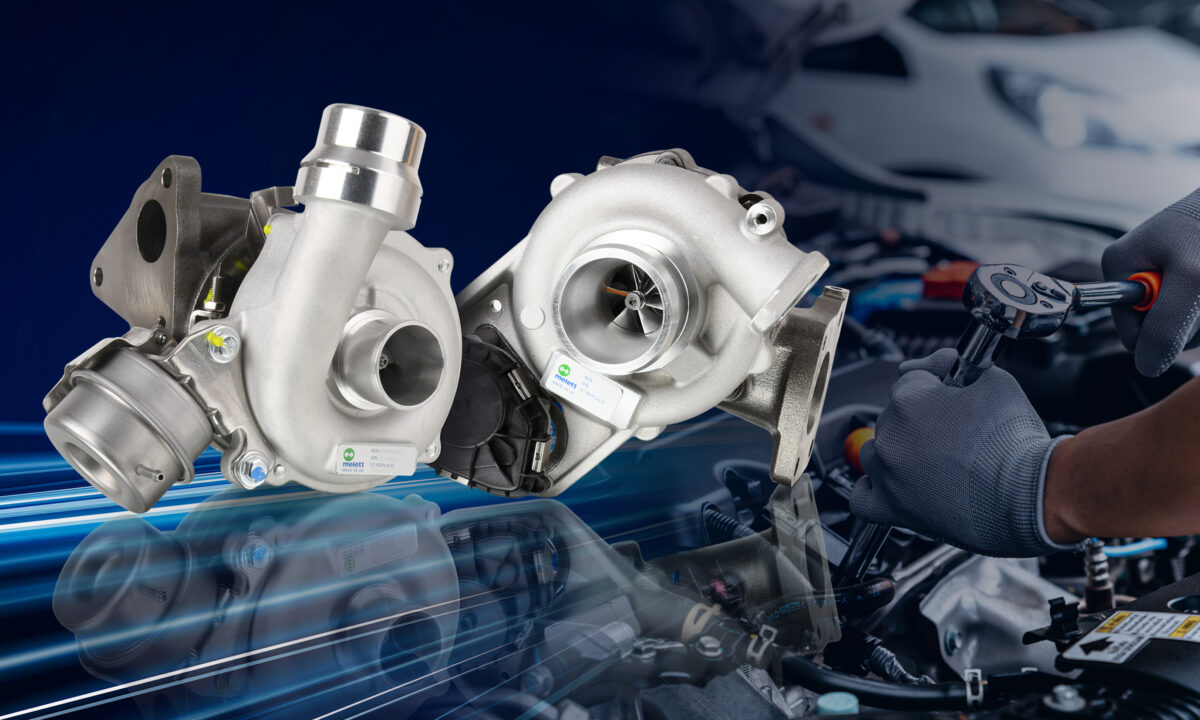
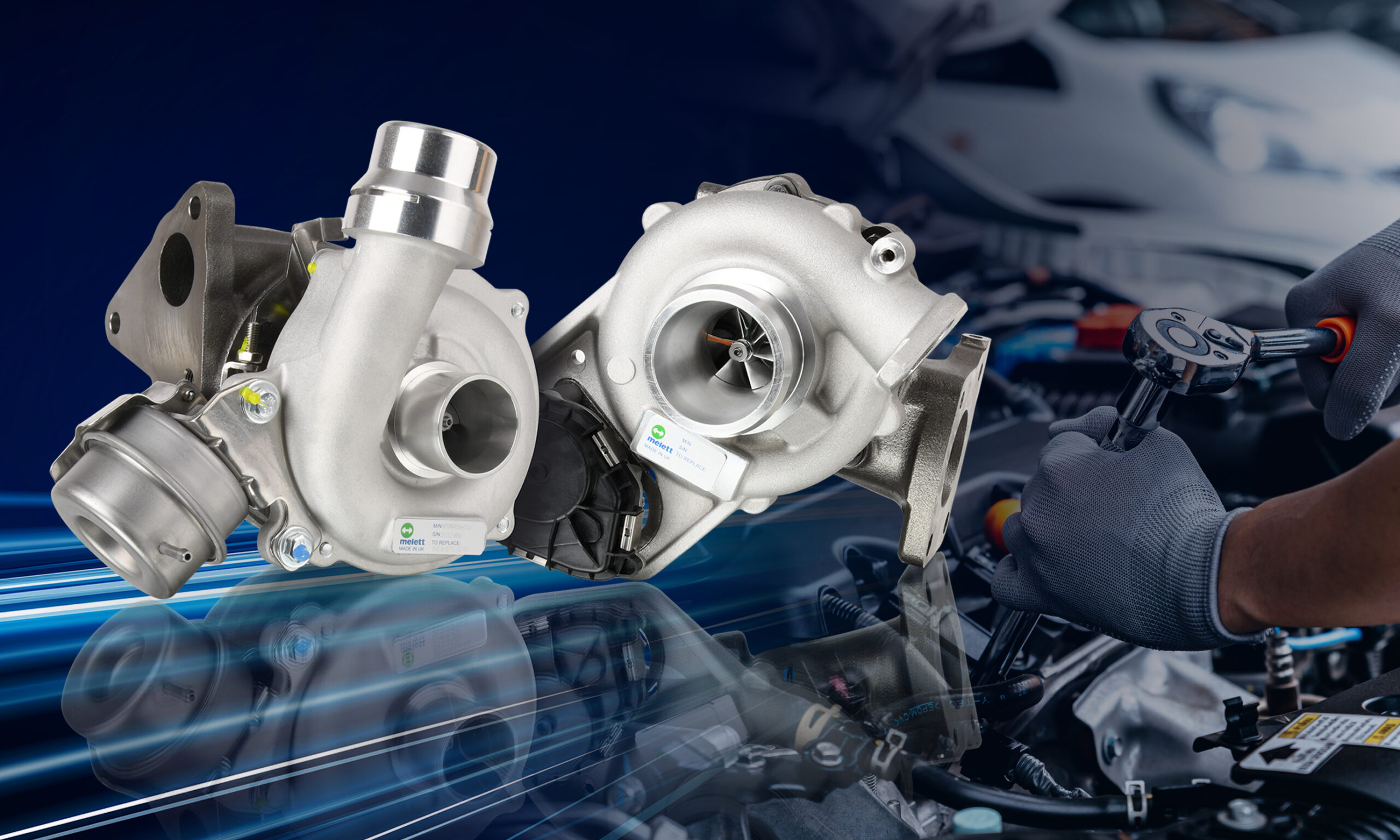
PREGUNTAS FRECUENTES: De frente a los mitos que perjudican el aftermarket

Los turbocompresores tienen un papel vital en el funcionamiento de un vehículo moderno, aumentar la eficiencia, economía de combustible y el control de emisiones. Sin embargo, el aftermarket está todavía rodeado de conceptos equivocados que pueden llevar a reemplazos innecesarios, diagnósticos erróneos y costos adicionales. Para traer claridad, Melett ha compilado preguntas frecuentes y claras, de frente a los mitos más comunes de turbocompresores, separando la realidad de la ficción, dando a los talleres y conductores la información que necesitan para tomar decisiones seguras e informadas.

Pregunta 1: ¿Debo reparar o reemplazar un turbocompresor?

Decidir entre reparar o reemplazar suele ser una cuestión de elección.
La reparación o la remanufactura del turbo es una opción probada, confiable y rentable. Cuando un turbo es reconstruido profesionalmente usando componentes con calidad de fabricante original, puede dar alto rendimiento a una fracción del costo de uno nuevo. Para talleres y también propietarios de vehículos, ofrece excelente precio sin comprometer la calidad.

La reparación o la remanufactura también dan beneficios de sostenibilidad. Reusar la carcasa del turbo y las partes principales reduce los desechos, disminuye el consumo de materiales y minimiza el impacto ambiental asociado con la manufactura de unidades nuevas.

Sin embargo, cuando la reparación no es viable, cuando el tiempo de respuesta es la prioridad o simplemente cuando el cliente o el taller prefieren la opción de reemplazo, las unidades de alta calidad del aftermarket proporcionan una solución rápida y confiable. Estas unidades ofrecen rendimiento consistente, disponibilidad inmediata y una alternativa confiable cuando la reparación no es la ruta más práctica.

Pregunta 2: ¿Necesito usar un reemplazo completamente nuevo de fabricante original?

No, usted no necesita un turbocompresor de fabricante original completamente nuevo para lograr confiabilidad de fabricante original. Los reemplazos de alta calidad del aftermarket- sean reparados, remanufacturados o nuevos- pueden igualar el rendimiento de un turbo de fabricación original cuando son construidos e instalados correctamente.

Un turbo profesionalmente remanufacturado utilizando componentes de calidad de fabricación original ofrece una alternativa confiable y rentable, dando rendimiento comparable al tiempo que proporciona claros beneficios de sostenibilidad mediante la reutilización de componentes existentes.

Pregunta 3: ¿Dónde debería reparar el turbo?

La reparación de turbo debe ser siempre realizada por un especialista con habilidad, equipamiento y experiencia apropiadas. Los turbocompresores funcionan bajo condiciones extremas, por lo tanto el diagnóstico preciso del fallo, mecanizado exacto, balanceo correcto y procedimientos de ensamblaje limpios son esenciales para lograr un resultado confiable.

Junto a experiencia especializada, la calidad de los componentes utilizados en la reparación es igualmente importante. Los reconstructores de turbos de buena reputación confían en piezas de buena ingeniería que les permite trabajar a estándares consistentes. Productos como los cartuchos Melett (CHRAs) y componentes están diseñados para apoyar este proceso de reparación profesional, dando a los especialistas acceso a piezas manufacturadas con tolerancias estrechas y adecuado para reconstrucciones de alta calidad.

Al escoger un especialista reparador de turbos que utiliza componentes confiables de calidad OE, los talleres y los propietarios de vehículos pueden estar seguros que el turbocompresor reparado es restaurado a un estándar alto y consistente.

Pregunta 4: ¿Los turbocompresores necesitan mantenimiento?

No, los turbocompresores no requieren mantenimiento dedicado para ellos pero dependen en gran medida del estado general del motor. Su confiabilidad a largo plazo depende del ajuste correcto y el mantenimiento adecuado del vehículo – igual que cualquier otro componente principal.

Cambios de aceite oportunos, filtración de aire limpio y estar seguro que las tuberías de aceite y aire están libres de fugas y obstrucciones, o daño son esenciales. Problemas como insuficiencia de aceite, contaminación o daño por objeto extraño se originan usualmente en el motor en lugar del turbo, pero aún pueden llevar a fallo prematuro del turbo si no se atienden.

Conclusión

Al tiempo que el mercado de turbocompresores continúa evolucionando, Melett mantiene su compromiso de apoyar la industria equipando especialistas de turbos con soporte técnico y componentes de calidad de fabricante original requeridos para proporcionar reparaciones confiables y repetibles. Al mantener altos estándares de ingeniería, suministrando asesoría práctica e invertir en desarrollo de productos, Melett garantiza que los especialistas tengan los recursos requeridos para satisfacer las demandas de turbocompresores modernos. El objetivo de la compañía es ayudar al aftermarket en la creciente complejidad del sistema y garantizar que la reparación y la manufactura permanezcan como opciones confiables, sostenibles bien entrado el futuro.

Melett Expands Turbocharger Component Range

Melett has expanded its turbocharger and component range with several major new releases during Q4 2025.

  • A key addition includes a HELLA electronic actuator for Toyota Avensis and RAV4 applications  

  • Core assemblies have also been introduced for Cummins ISB 4.5D Euro 6 engine and Volvo 2.0D applications, including the XC60, XC90, S90 and V90 models 

Melett, the leading global supplier of precision-engineered turbochargers and components for the global automotive aftermarket, has further expanded its product portfolio with a series of new turbocharger components launched for Q4 2025, strengthening coverage across both passenger car and industrial applications. 

The latest additions include new CHRA units and a turbocharger actuator, designed to meet the growing demand for high-quality, OE-level replacement solutions across a diverse range of vehicle platforms. 

 One of the key releases is a new CHRAfor the widely recognised Cummins ISB 4.5D Euro 6 engine. The inclusion of this CHRA reflects Melett’s ongoing commitment to supporting commercial sectors. The Cummins ISB 4.5D Euro 6 platform is extensively used across a variety of on-highway applications, making reliable turbocharger components essential for maintaining uptime and performance. 

 Melett has also introduced a new CHRA covering Volvo 2.0D applications, including the XC60, XC90, S90 and V90 models. These vehicles represent a significant proportion of the diesel car parc, and the new CHRA provides turbocharger specialists with a dependable OE-quality solution for some of Volvo’s most popular premium models. 

 Further expanding its component range, Melett has launched a new HELLA electronic actuator for Toyota Avensis and RAV4 applications. As actuator technology becomes increasingly critical to turbocharger performance and emissions compliance, this addition supports workshops and turbo rebuilders servicing high-volume Japanese models. 

 All Melett turbocharger components are manufactured to meet or exceed original equipment (OE) specifications. Each CHRA is precisely assembled and VSR balanced in Melett’s UK and Polish production facilities, ensuring consistent reliability, durability and performance in demanding operating conditions. 

 The Q4 2025 product launches underline Melett’s continued investment in expanding coverage, providing turbocharger specialists with trusted, precision-engineered solutions backed by comprehensive technical support.  

Garages experiencing suspected turbocharger issues are encouraged to seek expert inspection and diagnosis to identify the root cause of failure and prevent repeat issues. 

Turbocharging the future: why the repair market is set to thrive

As the automotive industry continues to evolve in response to stricter emissions standards and changing consumer preferences, we at Melett see turbochargers playing a pivotal role in shaping the future of internal combustion and hybrid vehicles.

While battery electric vehicles are gaining traction, the majority of UK car buyers still prefer ICE-powered models—driving innovation in engine downsizing and turbocharger technology.

In this white paper, we examine how turbochargers have become integral to modern vehicle design, the growing demand for high-quality aftermarket repair solutions, and the environmental benefits of adopting circular economy principles.

As we celebrate 30 years of expertise in precision-engineered turbochargers and components, we’re proud to highlight why the turbo repair industry is not just surviving—but thriving.

Download the white paper in your preferred language below.

Five most common mistakes when installing a turbocharger

Turbochargers have revolutionised modern engine design, enhancing power and fuel efficiency by harnessing exhaust gases to drive compressed air into the combustion chamber. As a result, turbocharged systems are now commonplace in vehicles of all types, from light commercial vans to high-performance cars. But as Melett, a leading name in precision-engineered turbocharger components, stresses, correct installation is everything. 

Melett, who supplies parts and repair solutions to the professional aftermarket worldwide, warns that improper turbocharger installation remains a leading cause of premature failure and engine damage. 

“We see the same core mistakes repeated in the field,” says Melett’s technical team. “These aren’t just minor oversights; they’re errors that can lead to full unit failure, warranty claims, and reputational damage for workshops.” 

Here, Melett explores the five most common installation errors, alongside expert advice on how to avoid them.

Improper Sealing of Joints

One of the most frequent and damaging errors involves sealing oil connections with silicone. While it might appear to offer a quick seal, silicone is wholly unsuitable for turbocharger applications. Small fragments can break loose and enter the oil system, where they may block vital passages and cause bearing seizure. 

Melett strongly advises the use of high-quality, model-specific gasket kits. These ensure a proper seal without contaminating oil flow and help maintain long-term reliability. Gaskets must be perfectly aligned; any offset could restrict flow and create avoidable wear.


Failure to Remove Safety Caps

A surprisingly common oversight, particularly among less experienced technicians, is failing to remove protective shipping plugs before installation. These caps are there to protect the turbo during transport but will completely block oil flow if left in place. 

Melett recommends a thorough visual inspection of all parts during pre-installation checks. This one simple step can prevent immediate and catastrophic turbo failure on first start-up.


Contaminants Left Behind from a Previous Failure

When a turbocharger fails, it often leaves behind debris—metal fragments, carbon deposits, or degraded oil—that can lurk in oil lines, intercoolers, and intake pipes. Fitting a new unit without properly flushing these systems is a fast track to a second failure. 

Professional installation must include complete system cleaning and, where necessary, component replacement. Melett supports the use of specialist cleaning fluids designed to remove even microscopic contaminants, safeguarding the new turbo from the outset.


Neglecting the Oil System

The turbocharger relies entirely on a clean, reliable oil supply for cooling and lubrication. Poor oil maintenance, incorrect oil grades, or low oil pressure are all critical risk factors. 

Before any installation, technicians must replace both the oil and the filter with OE-specified products. Melett also advises checking and clearing the oil feed and return lines and verifying oil pressure before the engine is restarted. This due diligence can prevent many avoidable call-backs. 


Failing to Identify the Root Cause of Previous Failures

Installing a replacement turbo without diagnosing the root cause of the original failure is perhaps the most expensive and frustrating mistake. Underlying issues—ranging from faulty injectors and clogged filters to defective EGR valves or blocked DPFs—will rapidly destroy a new turbo if left unresolved. 

Melett urges workshops to conduct comprehensive diagnostic assessments before fitting a new unit. This includes checking related engine systems that could indirectly affect turbo operation. Only by resolving these underlying faults can the technician ensure the long-term health of the new turbo. 


A Professional Standard: Fitting for Reliability and Reputation 

Each of these mistakes, while avoidable, can carry a heavy cost, not just in terms of parts and labour, but in reputation and customer trust. Melett emphasises that turbocharger fitting isn’t a routine replacement job, it’s a specialist task that demands care, cleanliness, and technical precision. 

“We always encourage installers to think beyond the part itself,” says a Melett technical advisor. “Every turbo is part of a wider system. Getting it right protects the engine, safeguards your reputation, and keeps customers on the road.” 

Melett’s commitment to technical support, quality components, and accurate fitment information underpins their approach to turbocharger repair and installation. 

Because when it comes to turbochargers, precision isn’t optional – it’s essential.